Caktus Blog
2016

Florida Open Debate Platform Receives National Attention (The Atlantic, USA Today, Engadget)
Several national publications have featured the Florida Open Debate platform, including USA Today, Engadget, and The Atlantic. Caktus helped develop the Django-based platform on behalf of the Open Debate Coalition (ODC) in advance of the nation’s first-ever open Senate debate held in Florida on April 25th. The site enabled citizens to submit debate questions as well as vote on which questions mattered most to them. Moderators then used the thirty most popular questions from the site to structure the debate between Florida Senate candidates David Jolly (R) and Alan Grayson (D). According to *The Atlantic, *more than 400,000 votes were submitted by users on the site, including more than 84,000 from Florida voters.

ES6 For Django Lovers
ES6 for Django Lovers!
The Django community is not one to fall to bitrot. Django supports every new release of Python at an impressive pace. Active Django websites are commonly updated to new releases quickly and we take pride in providing stable, predictable upgrade paths.
Kittens at Caktus: Raising Money and Awareness for Local Charity Alley Cats and Angels
This week we welcomed three kittens into our office as part of a campaign to raise funds and awareness for local non-profit Alley Cats and Angels. This organization is dedicated to improving the lives of stray, abandoned, and feral cats. They also work to reduce the number of homeless cats in the Triangle through adoption, farm cat, and spay/neuter assistance programs.

Florida Open Debate Site Powers First-Ever Crowd-Sourced Open Senate Debate
Florida Open Debate launched ahead of the upcoming, bi-partisan debate between candidates for the Florida Senate. The site, which crowdsources debate questions from the general public, was met with national acclaim. Citizens can not only submit questions, but also vote on which ones matter most. Caktus helped develop the tool on behalf of the Open Debate Coalition (ODC), a non-partisan organization dedicated to supporting participatory democracy through the use of civic tech.
ShipIt Day Recap: Q2 2016
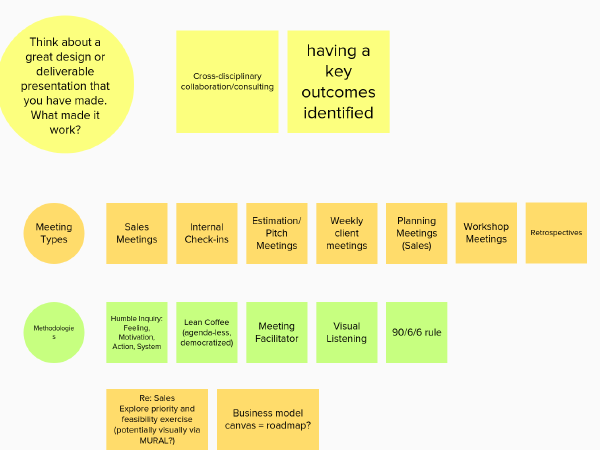
Last Friday, the Cakti set aside regular client projects for our quarterly ShipIt Day, a chance for personal development and independent projects. People work individually or in groups to flex their creativity, tackle interesting problems, or expand their personal knowledge. This quarter’s ShipIt Day was all about open source contributions, frontend fixes, and learning new (or revisiting old) programming languages. Read about the various ShipIt Day projects for Q2 of 2016 below.

From Intern to Professional Developer: Advice on a Mid-Career Pivot
A few weeks ago, Rebecca Conley attended DjangoCon Europe 2016 in Budapest, Hungary. The event is a five-day conference that brings together Django lovers from all over the world to learn about and share each other’s experiences with Django.

Adopting Scrum in a Client-services, Multi-project Organization
Caktus began the process of adopting Scrum mid-November 2015 with two days of onsite Scrum training and fully transitioned to a Scrum environment in January 2016. From our original epiphany of “Yes! We want Scrum!” to the beginning of our first sprint, it took us six weeks to design and execute a process and transition plan. This is how we did it:

What We're Clicking - March Link Roundup
We’re starting a new, monthly series on the Caktus blog highlighting the articles and posts shared by Cakti that drew the most attention on Twitter. These roundups will include everything from Django how-tos to explorations of the tech industry, to innovations for social good.

Caktus expands anti-discrimination policies to include sexual orientation, gender identity
For the past few months, we’ve been working on broadening our anti-harassment and equal employment policy. We’re very pleased to announce that our policies now include sexual orientation and gender identity as of March 24, 2016.
New white paper: "Shipping faster: Django team improvements"
For the past couple months, we’ve been working on a new white paper, “Shipping Faster: Django Team Improvements”. We examined our existing processes, looked at best practices, and considered what has or hasn’t worked across our dozens of simultaneous projects.