Python
2015
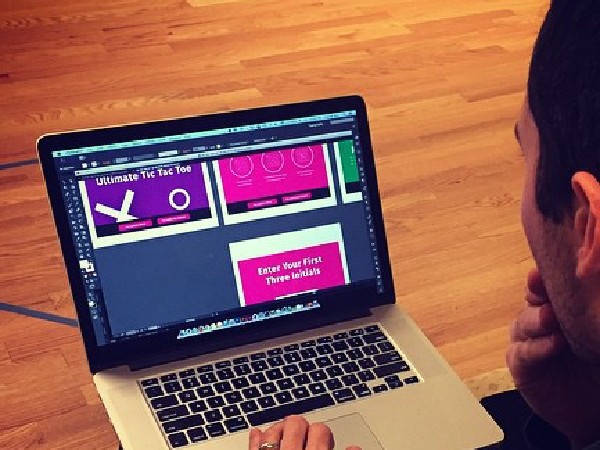
Caktus is looking for a Web Design Director
Over the last two years Caktus’ design portfolio has rapidly been growing. We’ve taken on new projects primarily focused on design and have received community recognition for those efforts. We are happy to have grown our design capabilities to match the level of quality we demand from our Django developers. We have found it’s important to have strength on both sides of the table as each side challenges the other and forces the final product of our process to be as high quality as possible.
2014

Webcast: Creating Enriching Web Applications with Django and Backbone.js
Update: The live webcast is now available at O’Reilly Media
Our technical director, Mark Lavin, will be giving a tutorial on Django and Backbone.js during a free webcast for O’Reilly Media tomorrow, November 6th, 1pm EST. There will be demos and a discussion of common stumbling blocks when building rich client apps.
Celery in Production
(Thanks to Mark Lavin for significant contributions to this post.)
In a previous post, we introduced using Celery to schedule tasks.
In this post, we address things you might need to consider when planning how to deploy Celery in production.
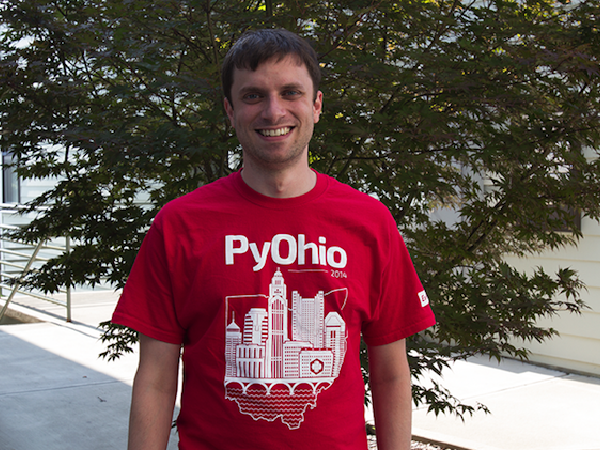
PyOhio Recap: Celery with Python
Caleb Smith recently gave a talk, “Intro to Celery,” at PyOhio (video below). Celery is a pretty popular topic for us here at Caktus. We use it often in our client work and find it very handy. So we were happy Caleb was out in the world, promoting its use. We sat down with him to hear more about PyOhio and Celery.
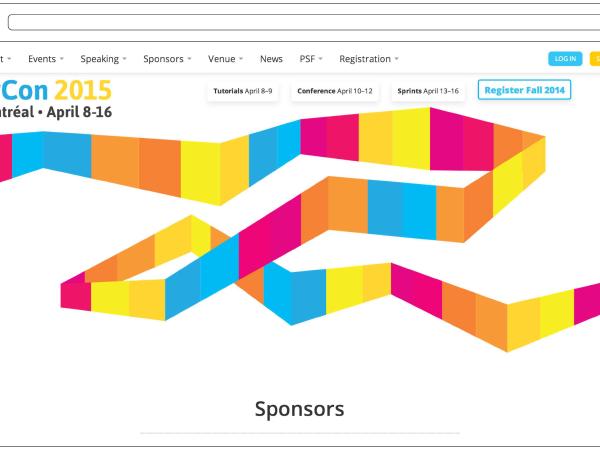
Website Redesign for PyCon 2015
PyCon 2015’s website launched today (a day early!). PyCon is the premiere conference for the Python community and one we look forward to attending every year. We’re honored that the Python Software Foundation returned to us this year to revamp the site. We were especially happy to work again with organizer-extraordinaires Ewa Jodlowska and Diana Clarke.
July 2014 ShipIt Day Recap
This past Friday we celebrated another ShipIt day at Caktus. There was a lot of open source contribution, exploring, and learning happening in the office. The projects ranged from native mobile Firefox OS apps, to development on our automated server provisioning templates via Salt, to front-end apps aimed at using web technology to create interfaces where composing new music or performing Frozen’s Let It Go is so easy anyone can do it.
Caleb and Rebecca at this Month’s Girl Develop It Intro to Python Class
One of Caktus’ most pedagogically focused developers, Caleb Smith, will be teaching a class to a group of local budding Pythonistas tomorrow, Saturday 26th, and Caktus’ Rebecca Lovewell will be contributing as a teaching assistant. You can read more about it, and sign up via the meetup page for the event. The class is run by the local chapter of Girl Develop It, a group focused on improving the landscape of women in tech via women focused (but not exclusive) educational opportunities.
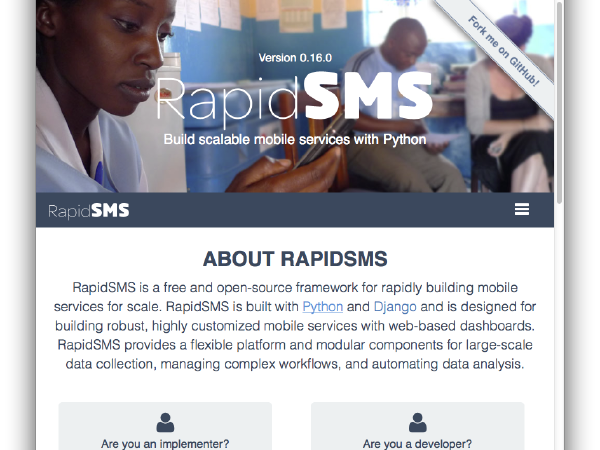
Caktus Completes RapidSMS Community Coordinator Development for UNICEF
Colin Copeland, Managing Member at Caktus, has wrapped up work, supported by UNICEF, as the Community Coordinator for the open source RapidSMS project. RapidSMS is a text messaging application development library built on top of the Django web framework. It creates a SMS provider agnostic way of sending and receiving text messages. RapidSMS has been used widely in the mobile health field, in particular in areas where internet access cannot be taken for granted and cell phones are the best communication tool available. This has included projects initiated by UNICEF country offices in Ethiopia, Madagascar, Malawi, Rwanda, Uganda, Zambia, and Zimbabwe.
Managing Events with Explicit Time Zones
Managing Events with Explicit Time Zones
Recently we wanted a way to let users create real-life events which could occur in any time zone that the user desired. By default, Django interprets any date/time that the user enters as being in the user’s time zone, but it never displays that time zone, and it converts the time zone to UTC before storing it, so there is no record of what time zone the user initially chose. This is fine for most purposes, but if you want to specifically give the user the ability to choose different time zones for different events, this won’t work.
2013